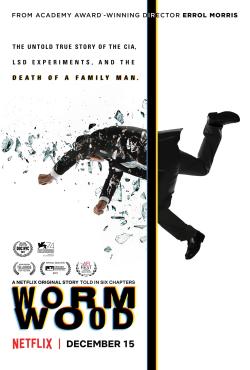
In 1953, Army scientist Frank Olson takes a fatal plunge from a hotel window. In 1975, a bombshell report ties his death to a top-secret experiment.
More
7.0 /10
5043 people rated
Wormwood
2017
R
امریکہ
Biography
ڈرامہ
In 1953, Army scientist Frank Olson takes a fatal plunge from a hotel window. In 1975, a bombshell report ties his death to a top-secret experiment.
More
7.0 /10
5043 people rated
آن لائن دیکھیں
ایپ میں دیکھیں
اقساط
ٹاپ کاسٹ
صارف کا جائزہ
اقساط
ٹاپ کاسٹ
صارف کا جائزہ
اقساط
film
lklk
Netflix
Plex
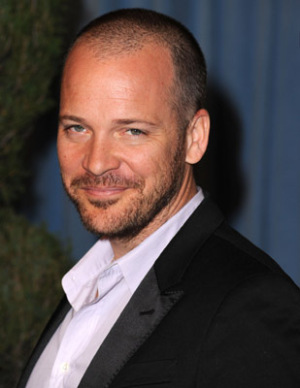
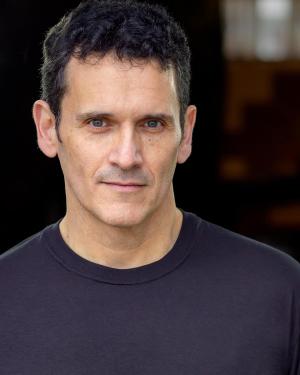
ٹاپ کاسٹ(18)
Peter Sarsgaard
Frank Olson
Molly Parker
Alice Olson
Christian Camargo
Dr. Robert Lashbrook
Eric Olson
Self
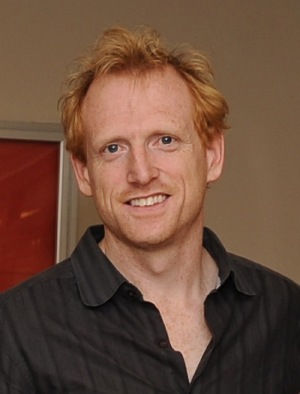
Scott Shepherd
Vincent Ruwet
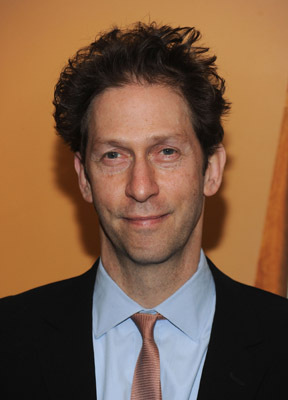
Tim Blake Nelson
Sidney Gottlieb
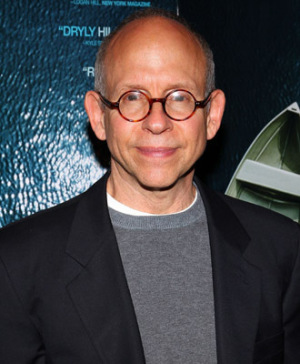
Bob Balaban
Dr. Harold A. Abramson
Jack Michael Doke
Young Eric Olson
Jimmi Simpson
CIA Agent
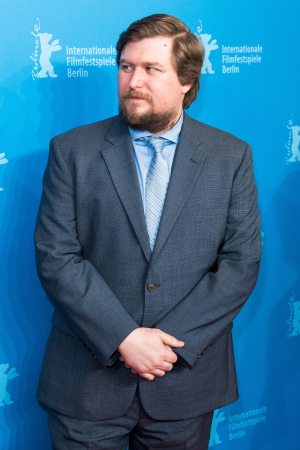
Michael Chernus
Mal
Callie La Personerie
Lisa Olson
Chance Kelly
Wet Works #2
Adina Verson
Cocktail Waitress
Jack O'Connell
Wet Works #1
John Doman
Detective
Kelli Barrett
Isabel Bigley
Kelli Barrett
Broadway Actress
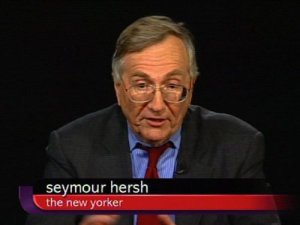
Seymour Hersh
Self
صارف کا جائزہ
علي جاسم
11/03/2026 13:36
-S1E3
Aphie Harmony
11/03/2026 13:14
-S1E5
eijayfrimpong
11/03/2026 11:41
-S1E6
William Last KRM
11/03/2026 01:23
-S1E2
user4301144352977
10/03/2026 13:59
-S1E1
kieran.GK
28/04/2023 06:17
This needed to be edited down. I value the gradual unveiling of information in the order it was revealed historically. That is how it unfolded for one affected family.
There are way too many minutes of re-enactment, especially the rendering of details that the storytellers say are missing. At times, the re-enactment footage is re-used! Additional footage comes from productions of a Shakespeare tragedy. So it feels as if the Shakespeare OR the re-enactments would have been indulgence enough. Why feature both?
I was curious. This answered some questions. Wish it had done so more quickly.
Maemma
28/04/2023 06:17
. . . also obvious, tiresome, repetitious, and low-rent. Long, moody pauses substitute for meaningful dialogue. The interviews are edited to draw attention to words that the filmmaker can then clumsily twist. The cinematography is weighed down by endlessly recycled special effects.
خود ولا خلي
28/04/2023 06:17
I binged-watched this in one evening mostly because I was afraid that if I stopped I would never go back and finish it. I gather that happened to others. But I had the time and in the end it was a great ride. The story moves from one theory to another about one man's death over the decades--and the final conclusion is that his murder can't be solved unless a whole lot of other ones are brought to light at the same time, as well as some very dark moments in America's past. That is a worthy theme for 4 1/2 hours.
As the story moves on, you realize that the collages of news stories, photographs (e.g. of actual people mixed up or jigsawed into the actors who play them in the re-enactments) and places are deeply tied into the story: the main character, Eric Olson, began making collages after his father's death and later developed a method for using collages to help traumatized people deal with their experiences. It seems to me that this method fits well with Morris's style, and the rhythms of the images can be very beautiful.
Eric lost track of this work, apparently moved back into the house he lived in as a child, and talks at the end about having lost himself in his search for the truth about his father. He remains however extremely articulate and persuasive. In a sense, the film itself redeems Eric and his father by exposing the secrets they wanted known.
Taati Kröhne
28/04/2023 06:17
I saw in the Netflix clip "MK Ultra" so I was curious to watch this as my grandmother was one of the victims in Canada for this CIA experiment. But the editing was horrible, I couldn't bring myself to watch one episode. I agree with the other reviewers. The subject is like a 45 minute documentary and get a new editor. I guess I'm going to have to find and watch "The Sleep Room", which got a pretty decent ratings.
ملك♥️💋
28/04/2023 06:17
It is such a shame because the story is very interesting and an important one to tell. Especially today when people in general and the united press corps in particular are busy fawning over US intelligence services, heralding them as virtually immaculate purveyors of truth. It's as if their shady past, MKUltra in the case of this documentary or the Iraq war in more recent memory, has been thrown down the memory hole and we are now to trust their word implicitly.
There is an excellent 90 minute documentary hiding in this material. But Netflix (as usual) drags it out for far too long. Was there really a need for this documentary to be six episodes long?
It boggles the mind that this documentary was made by the fantastic documentary filmmaker who did Standard Operating Procedure, A Brief History of Time and The Thin Blue Line, not to mention my personal favorites Mr. Death and especially The Fog of War.
صارف کا جائزہ
علي جاسم
11/03/2026 13:36
-S1E3
Aphie Harmony
11/03/2026 13:14
-S1E5
eijayfrimpong
11/03/2026 11:41
-S1E6
William Last KRM
11/03/2026 01:23
-S1E2
user4301144352977
10/03/2026 13:59
-S1E1
kieran.GK
28/04/2023 06:17
This needed to be edited down. I value the gradual unveiling of information in the order it was revealed historically. That is how it unfolded for one affected family.
There are way too many minutes of re-enactment, especially the rendering of details that the storytellers say are missing. At times, the re-enactment footage is re-used! Additional footage comes from productions of a Shakespeare tragedy. So it feels as if the Shakespeare OR the re-enactments would have been indulgence enough. Why feature both?
I was curious. This answered some questions. Wish it had done so more quickly.
Maemma
28/04/2023 06:17
. . . also obvious, tiresome, repetitious, and low-rent. Long, moody pauses substitute for meaningful dialogue. The interviews are edited to draw attention to words that the filmmaker can then clumsily twist. The cinematography is weighed down by endlessly recycled special effects.
خود ولا خلي
28/04/2023 06:17
I binged-watched this in one evening mostly because I was afraid that if I stopped I would never go back and finish it. I gather that happened to others. But I had the time and in the end it was a great ride. The story moves from one theory to another about one man's death over the decades--and the final conclusion is that his murder can't be solved unless a whole lot of other ones are brought to light at the same time, as well as some very dark moments in America's past. That is a worthy theme for 4 1/2 hours.
As the story moves on, you realize that the collages of news stories, photographs (e.g. of actual people mixed up or jigsawed into the actors who play them in the re-enactments) and places are deeply tied into the story: the main character, Eric Olson, began making collages after his father's death and later developed a method for using collages to help traumatized people deal with their experiences. It seems to me that this method fits well with Morris's style, and the rhythms of the images can be very beautiful.
Eric lost track of this work, apparently moved back into the house he lived in as a child, and talks at the end about having lost himself in his search for the truth about his father. He remains however extremely articulate and persuasive. In a sense, the film itself redeems Eric and his father by exposing the secrets they wanted known.
Taati Kröhne
28/04/2023 06:17
I saw in the Netflix clip "MK Ultra" so I was curious to watch this as my grandmother was one of the victims in Canada for this CIA experiment. But the editing was horrible, I couldn't bring myself to watch one episode. I agree with the other reviewers. The subject is like a 45 minute documentary and get a new editor. I guess I'm going to have to find and watch "The Sleep Room", which got a pretty decent ratings.
ملك♥️💋
28/04/2023 06:17
It is such a shame because the story is very interesting and an important one to tell. Especially today when people in general and the united press corps in particular are busy fawning over US intelligence services, heralding them as virtually immaculate purveyors of truth. It's as if their shady past, MKUltra in the case of this documentary or the Iraq war in more recent memory, has been thrown down the memory hole and we are now to trust their word implicitly.
There is an excellent 90 minute documentary hiding in this material. But Netflix (as usual) drags it out for far too long. Was there really a need for this documentary to be six episodes long?
It boggles the mind that this documentary was made by the fantastic documentary filmmaker who did Standard Operating Procedure, A Brief History of Time and The Thin Blue Line, not to mention my personal favorites Mr. Death and especially The Fog of War.
Disclaimer: All videos and pictures on MovieBox are from the Internet, and their copyrights belong to the original creators. We only provide webpage services and do not store, record, or upload any content.


 لامحدود فلمیں اور شوز دیکھیں
 اپنا پسندیدہ مواد ڈاؤن لوڈ کریں اور آف لائن دیکھیں
 آسان انٹرفیس اور ہموار کارکردگی
























'%3e%3cpath%20id='Vector'%20d='M17.3996%2025.7999C17.3996%2025.9838%2017.3634%2026.1658%2017.293%2026.3357C17.2227%2026.5055%2017.1196%2026.6598%2016.9896%2026.7899C16.8596%2026.9199%2016.7052%2027.023%2016.5354%2027.0933C16.3655%2027.1637%2016.1835%2027.1999%2015.9996%2027.1999C15.8158%2027.1999%2015.6337%2027.1637%2015.4639%2027.0933C15.294%2027.023%2015.1397%2026.9199%2015.0097%2026.7899C14.8797%2026.6598%2014.7765%2026.5055%2014.7062%2026.3357C14.6358%2026.1658%2014.5996%2025.9838%2014.5996%2025.7999C14.5996%2025.4286%2014.7471%2025.0725%2015.0097%2024.81C15.2722%2024.5474%2015.6283%2024.3999%2015.9996%2024.3999C16.3709%2024.3999%2016.727%2024.5474%2016.9896%2024.81C17.2521%2025.0725%2017.3996%2025.4286%2017.3996%2025.7999Z'%20fill='white'/%3e%3cpath%20id='Union'%20fill-rule='evenodd'%20clip-rule='evenodd'%20d='M8.5%204H23.5C24.0523%204%2024.5%204.44772%2024.5%205V21.5H7.5V5C7.5%204.44772%207.94772%204%208.5%204ZM5.5%2022.5V5C5.5%203.34315%206.84315%202%208.5%202H23.5C25.1569%202%2026.5%203.34315%2026.5%205V22.5V27C26.5%2028.6569%2025.1569%2030%2023.5%2030H8.5C6.84315%2030%205.5%2028.6569%205.5%2027V22.5ZM24.5%2023.5V27C24.5%2027.5523%2024.0523%2028%2023.5%2028H8.5C7.94772%2028%207.5%2027.5523%207.5%2027V23.5H24.5Z'%20fill='white'/%3e%3cpath%20id='Union_2'%20fill-rule='evenodd'%20clip-rule='evenodd'%20d='M17%209C17%208.44772%2016.5523%208%2016%208C15.4477%208%2015%208.44772%2015%209V13.8258L13.1508%2012.2407C12.7315%2011.8813%2012.1002%2011.9299%2011.7408%2012.3492C11.3813%2012.7685%2011.4299%2013.3998%2011.8492%2013.7593L15.345%2016.7556C15.5205%2016.9079%2015.7495%2017%2016%2017C16.2506%2017%2016.4796%2016.9079%2016.6551%2016.7556L20.1508%2013.7593C20.5701%2013.3998%2020.6187%2012.7685%2020.2593%2012.3492C19.8999%2011.9299%2019.2686%2011.8813%2018.8492%2012.2407L17%2013.8258V9Z'%20fill='white'/%3e%3c/g%3e%3c/svg%3e)