There are many fascinating things I've learned about life and people in this wonderful movie. Let me list some...
1. To cure autism it is best to kill the person who carries it.
2. When you spew fortune-cookie wisdom, some viewers consider that "deeply intelligent".
3. In order to kill someone who is in jail, do the following: fake a criminal act, get arrested and then hope that you'll be sent to the same prison and then same section as your intended victim.
4. Male teens who have been neglected and ignored by their fathers turn to killing autistic kids for comfort.
5. Male teens who grow up in dysfunctional families are wise beyond their years - which naturally leads them to kill retarded children.
6. Murderers aren't such bad people after all.
7. Sheer sadism has nothing to do with people who kill retarded children.
8. Good actors, such as Kevin Spacey, are often not all that bright. He produced this baloney.
9. Playing cheap college-radio alternative soft pop as a background for silly, "tragic" events will cause certain viewers to cry.
10. Playing cheap college-radio plinka-plonka crap is still considered "deep" enough for certain supposedly emotionally-laden scenes.
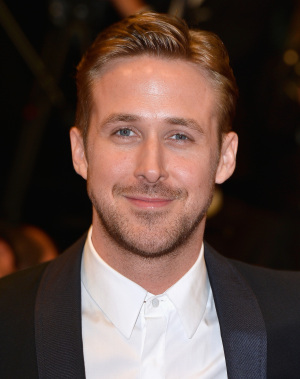
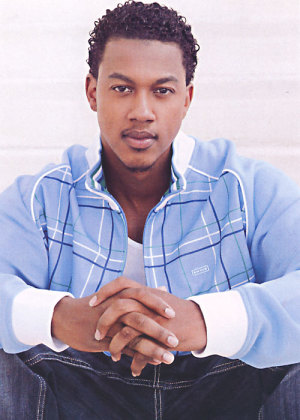
11. Ryan Gosling can't act.
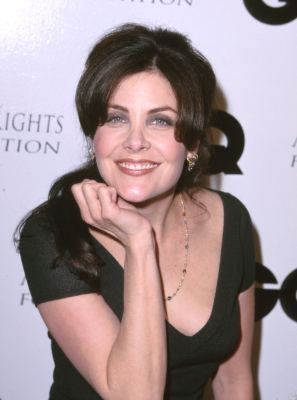
12. Sherilyn Fenn is still being underused in films.
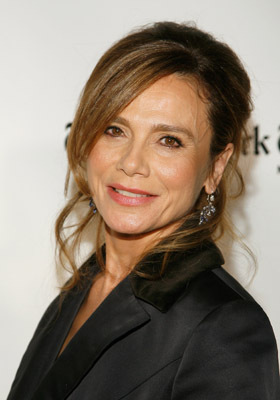
13. Lena Olin is still being overused.
14. I do not enjoy watching Fenn make out with a 15 year-old. Clearly, the director does.
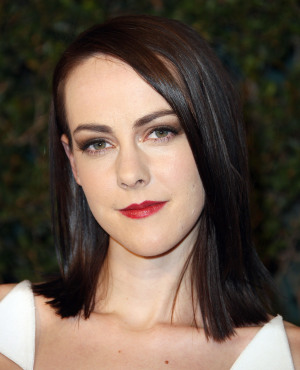
15. Jena Malone and Ryan Gosling should never again play a romantic couple. They have no chemistry.
16. Supposedly intelligent killers of retarded children wear a dumb facial expression all the time.
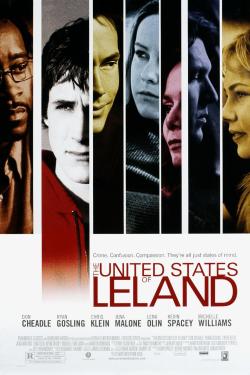
TUSOL is a pretentious little wanna-be intellectual exercise, but fails on nearly ever level. The movie has an absurd premise, dull characters, dialogue that is supposed to be insightful but comes off as shallow and trite, and we don't really get to care about ANY of the characters. All of them are DULL.
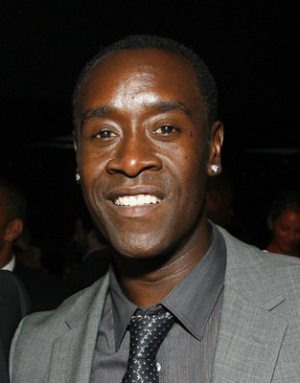
Gosling asks: "Why do people only say that ("I'm only human") when they've done something wrong?" Is this supposed to be "deep"? I have no idea why Cheadle simply doesn't respond like this: "Because, you murdering moron, they ARE only human. Because that IS an (all-purpose) excuse of sorts. And because they won't say 'I'm only human' when asked to order a meal in a restaurant, or when asked how old they are."
Another example: "You want a why, but maybe there isn't one. Maybe this is something that just happened." (Gosling) This is something either a moron or a liar would say. In reality, a murder - especially of a defenseless victim - does not occur for "no reason". Psychopathic or insane personalities commit them, yet we are to believe that Leland is neither. He is a "misunderstood genius", a "victim of a sad childhood". Yeah, right... If every kid with a troubled adolescence killed someone, soon there would be no people left on the planet.
Leland's pathological pessimism merely underlines an inborn fault in his DNA code. It is not a result of his environment, but the environment merely sped up the accelerated development of that trait. However, Hollywood's liberal, environment-influence-is-all-that-matters, Marxist approach to psychology is trying to tell you something else.
Leland is like the Dalai Lama, minus the old age and the phony grin: he says things that are supposed to hit a nerve in the viewer - and in the character whom he is speaking to - but these words are on closer inspection (something like a 3-second inspection) empty, holding nothing relevant, intelligent or new. Hence this movie can only appeal to people who are quite impressionable, easily carried by their easy-to-manipulate-emotions, people who would rather not think but let the director think for them hence deciding for them what is right or wrong, who is intelligent and who isn't. Frankly, I see no particular intellect in Leland, and this is made even more difficult by Gosling's one-note, apathetic "performance", which seems to very ironically imply that Leland might be autistic, too.


 Enjoy unlimited movies and shows
 Download your favorite content to watch offline
 Simple interface & smooth performance
















'%3e%3cpath%20id='Vector'%20d='M17.3996%2025.7999C17.3996%2025.9838%2017.3634%2026.1658%2017.293%2026.3357C17.2227%2026.5055%2017.1196%2026.6598%2016.9896%2026.7899C16.8596%2026.9199%2016.7052%2027.023%2016.5354%2027.0933C16.3655%2027.1637%2016.1835%2027.1999%2015.9996%2027.1999C15.8158%2027.1999%2015.6337%2027.1637%2015.4639%2027.0933C15.294%2027.023%2015.1397%2026.9199%2015.0097%2026.7899C14.8797%2026.6598%2014.7765%2026.5055%2014.7062%2026.3357C14.6358%2026.1658%2014.5996%2025.9838%2014.5996%2025.7999C14.5996%2025.4286%2014.7471%2025.0725%2015.0097%2024.81C15.2722%2024.5474%2015.6283%2024.3999%2015.9996%2024.3999C16.3709%2024.3999%2016.727%2024.5474%2016.9896%2024.81C17.2521%2025.0725%2017.3996%2025.4286%2017.3996%2025.7999Z'%20fill='white'/%3e%3cpath%20id='Union'%20fill-rule='evenodd'%20clip-rule='evenodd'%20d='M8.5%204H23.5C24.0523%204%2024.5%204.44772%2024.5%205V21.5H7.5V5C7.5%204.44772%207.94772%204%208.5%204ZM5.5%2022.5V5C5.5%203.34315%206.84315%202%208.5%202H23.5C25.1569%202%2026.5%203.34315%2026.5%205V22.5V27C26.5%2028.6569%2025.1569%2030%2023.5%2030H8.5C6.84315%2030%205.5%2028.6569%205.5%2027V22.5ZM24.5%2023.5V27C24.5%2027.5523%2024.0523%2028%2023.5%2028H8.5C7.94772%2028%207.5%2027.5523%207.5%2027V23.5H24.5Z'%20fill='white'/%3e%3cpath%20id='Union_2'%20fill-rule='evenodd'%20clip-rule='evenodd'%20d='M17%209C17%208.44772%2016.5523%208%2016%208C15.4477%208%2015%208.44772%2015%209V13.8258L13.1508%2012.2407C12.7315%2011.8813%2012.1002%2011.9299%2011.7408%2012.3492C11.3813%2012.7685%2011.4299%2013.3998%2011.8492%2013.7593L15.345%2016.7556C15.5205%2016.9079%2015.7495%2017%2016%2017C16.2506%2017%2016.4796%2016.9079%2016.6551%2016.7556L20.1508%2013.7593C20.5701%2013.3998%2020.6187%2012.7685%2020.2593%2012.3492C19.8999%2011.9299%2019.2686%2011.8813%2018.8492%2012.2407L17%2013.8258V9Z'%20fill='white'/%3e%3c/g%3e%3c/svg%3e)