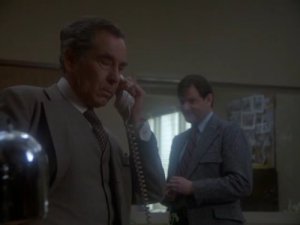
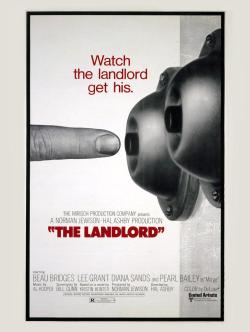
The first film by director Hal Ashby, "The Landlord" is a mixed bag.
The story centers on Elgar (Beau Bridges), a white man from a wealthy upper class family who moves into a lower class apartment building in New York. Elgar takes over the building as the landlord, intending to evict all of the African American tenants living inside. However, as he gets to know his neighbors and develops relationships with them, he begins to learn valuable life lessons about race and responsibility.
There's a lot to admire in Hal Ashby's "Landlord". Very few films before or since have tackled the topic of race and presented it in such a straight forward light. Scenes, such as the party in the middle of the movie, where the tenants discuss with Elgar what it is to be a minority at the time, or one towards the end of the film, where an African American activist breaks down and goes on a rant of racial self hate, are both chilling and unforgettable.
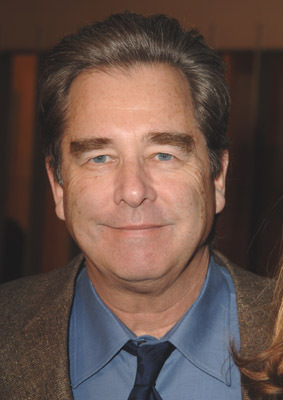
The performances are outstanding as well. Beau Bridges is very convincing as the thoughtless, naive Elgar who grows to embrace the African American culture.
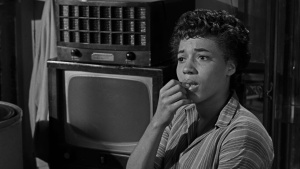
Dianna Sands is the standout of the movie, playing the tragic Fanny with such real emotion and likability that you can't help but feel for her character during the more dramatic scenes of the film.
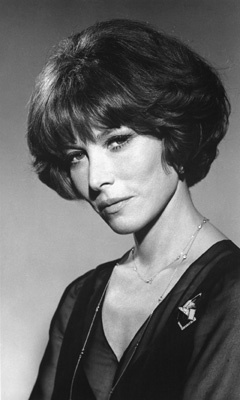
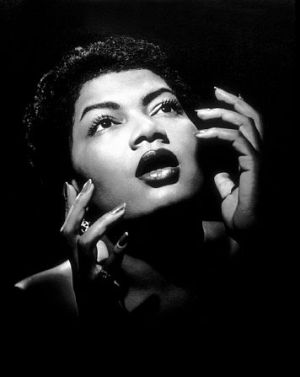
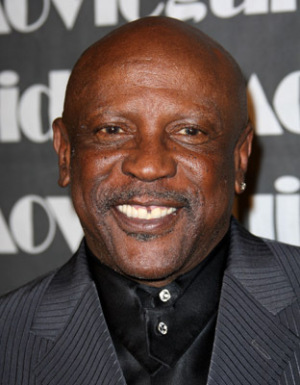
Lou Gossett Jr, Pearl Bailey, Mel Stewart, and Lee Grant are also great in their respective roles.
That said, the film does have its share of problems. The most prominent being the tone and the story's progression. Labelled as a comedy and a drama, the film has drastic tonal shifts that makes it, as a whole, seem uneven. Take, for instance, a scene where Elgar's mother visits him in the apartment building. The disapproving mother comes over to chastise her son about integrating with the black tenants, only for Fanny to show up and reveal that she's pregnant with the Landlord's baby. The mother's paranoia is played for laughs as she envisions herself as a a plantation owner with many dark skinned grandchildren. In the scene immediately afterward, we're shown Fanny and her husband, Copee, as she reveals the affair and her pregnancy. The next few minutes of the sequence are absolutely terrifying as the enraged Copee hunts down and tries to murder Elgar with an axe. The rushed pregnancy plot takes the third act into almost melodrama territory (with the messages seeming more obvious/forced), and the film's ending becomes a bit sloppy as a result.
The unevenness also shows with the characters. Fanny and Elgar get a lot of development and screen time, while both of their love interests are strangely left behind. Lanie, Elgar's biracial girlfriend, never gets enough screen time for their confessed love towards the end of the movie to seem as genuine as it should. Likewise, Copee pops in and out of the movie solely to perform his role as the angry, cheated on husband. Both seem more like plot devices to display the messages they represent, rather than being fully fleshed out characters themselves. Even with the development, Elgar suffers a bit as well. The mentioned third act pregnancy plot takes the character back to the thoughtlessness he displayed in the beginning of the film, making it difficult to like him or care much about his trials in the end.
The Landlord is a good film with biting social and racial commentary, however the melodramatic elements in the story, and uneven script hold it back from being truly great.


 Enjoy unlimited movies and shows
 Download your favorite content to watch offline
 Simple interface & smooth performance




'%3e%3cpath%20id='Vector'%20d='M17.3996%2025.7999C17.3996%2025.9838%2017.3634%2026.1658%2017.293%2026.3357C17.2227%2026.5055%2017.1196%2026.6598%2016.9896%2026.7899C16.8596%2026.9199%2016.7052%2027.023%2016.5354%2027.0933C16.3655%2027.1637%2016.1835%2027.1999%2015.9996%2027.1999C15.8158%2027.1999%2015.6337%2027.1637%2015.4639%2027.0933C15.294%2027.023%2015.1397%2026.9199%2015.0097%2026.7899C14.8797%2026.6598%2014.7765%2026.5055%2014.7062%2026.3357C14.6358%2026.1658%2014.5996%2025.9838%2014.5996%2025.7999C14.5996%2025.4286%2014.7471%2025.0725%2015.0097%2024.81C15.2722%2024.5474%2015.6283%2024.3999%2015.9996%2024.3999C16.3709%2024.3999%2016.727%2024.5474%2016.9896%2024.81C17.2521%2025.0725%2017.3996%2025.4286%2017.3996%2025.7999Z'%20fill='white'/%3e%3cpath%20id='Union'%20fill-rule='evenodd'%20clip-rule='evenodd'%20d='M8.5%204H23.5C24.0523%204%2024.5%204.44772%2024.5%205V21.5H7.5V5C7.5%204.44772%207.94772%204%208.5%204ZM5.5%2022.5V5C5.5%203.34315%206.84315%202%208.5%202H23.5C25.1569%202%2026.5%203.34315%2026.5%205V22.5V27C26.5%2028.6569%2025.1569%2030%2023.5%2030H8.5C6.84315%2030%205.5%2028.6569%205.5%2027V22.5ZM24.5%2023.5V27C24.5%2027.5523%2024.0523%2028%2023.5%2028H8.5C7.94772%2028%207.5%2027.5523%207.5%2027V23.5H24.5Z'%20fill='white'/%3e%3cpath%20id='Union_2'%20fill-rule='evenodd'%20clip-rule='evenodd'%20d='M17%209C17%208.44772%2016.5523%208%2016%208C15.4477%208%2015%208.44772%2015%209V13.8258L13.1508%2012.2407C12.7315%2011.8813%2012.1002%2011.9299%2011.7408%2012.3492C11.3813%2012.7685%2011.4299%2013.3998%2011.8492%2013.7593L15.345%2016.7556C15.5205%2016.9079%2015.7495%2017%2016%2017C16.2506%2017%2016.4796%2016.9079%2016.6551%2016.7556L20.1508%2013.7593C20.5701%2013.3998%2020.6187%2012.7685%2020.2593%2012.3492C19.8999%2011.9299%2019.2686%2011.8813%2018.8492%2012.2407L17%2013.8258V9Z'%20fill='white'/%3e%3c/g%3e%3c/svg%3e)