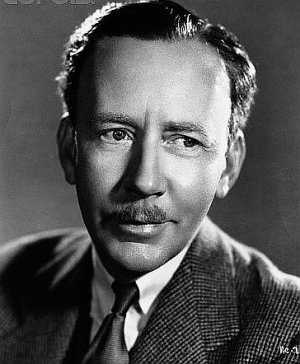
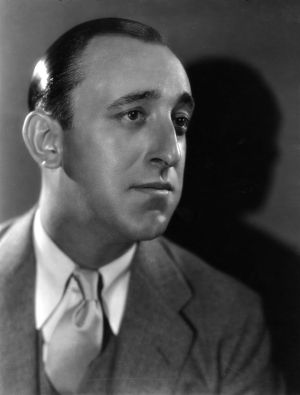
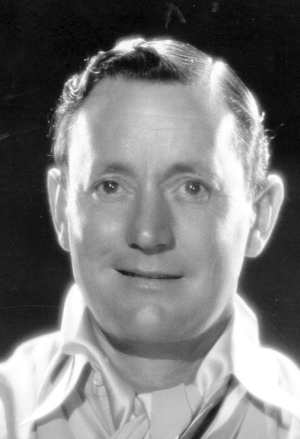
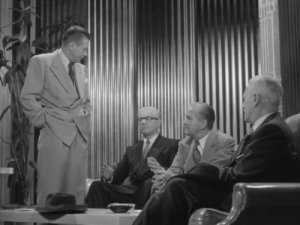
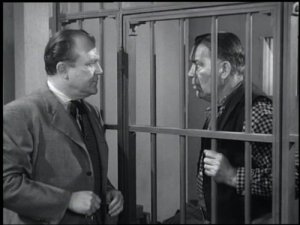
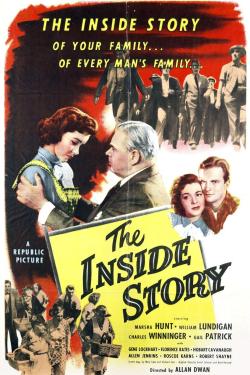
A collection agent arrives in a small town with $1000 for a local farmer. Whilst waiting for the farmer to arrive the money is put in a safe at a hotel for safe keeping. However, it is removed by mistake and solves a number of financial problems before it is returned.
More
6.7 /10
339 people rated
The Inside Story
1948
R
1 h 27 m
United States
Comedy
Drama
Romance
A collection agent arrives in a small town with $1000 for a local farmer. Whilst waiting for the farmer to arrive the money is put in a safe at a hotel for safe keeping. However, it is removed by mistake and solves a number of financial problems before it is returned.
More
6.7 /10
339 people rated
Watch Online
Watch in App
Episodes
Top Cast
User Review
Episodes
Top Cast
User Review
Episodes
film
lklk
Netflix
Plex
Top Cast(17)
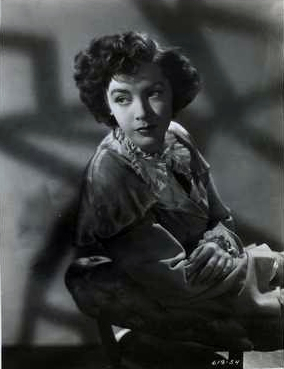
Marsha Hunt
Francine Taylor
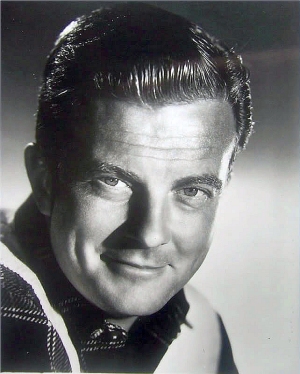
William Lundigan
Waldo 'Bill' Williams
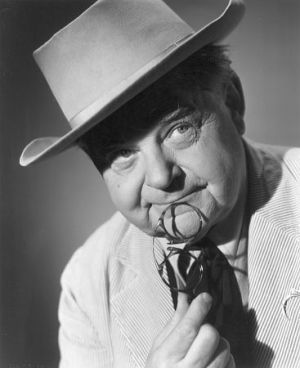
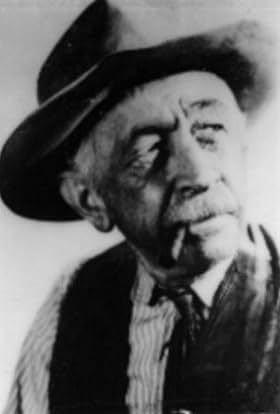
Charles Winninger
Uncle Ed
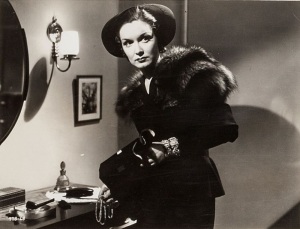
Gail Patrick
Audrey O'Connor
Gene Lockhart
Horace Taylor
Florence Bates
Geraldine Atherton
Hobart Cavanaugh
Mason - Bank Customer
Allen Jenkins
Eddie
Roscoe Karns
Eustace Peabody
Robert Shayne
T.W. 'Tom' O'Connor
Will Wright
J.J. Johnson
William Haade
Rocky
Frank Ferguson
Eph - Editor of 'The Bugle'
Tom Fadden
Ab Follansbee
Rodney Bell
Townsman
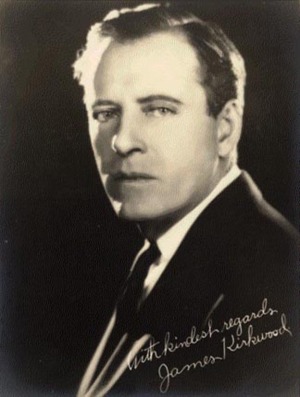
James Kirkwood
Townsman
Garry Owen
Jim - Bank Teller
User Review
abida.mussaa
16/10/2023 13:11
Trailer—The Inside Story
alexlozada0228
29/05/2023 15:13
source: The Inside Story
cabdi xajjji
14/03/2023 02:16
source: The Inside Story
seare shishay
14/03/2023 02:16
The title "The Inside Story" sounds a little distant and erudite for this movie, which is rural in its setting and country in its people, but the program is warm, gentle, and cautionary. The film captivates the viewer in large measure because it expertly showcases several of the more recognizable and appreciated character actors and B-picture players of the 1940's and thereafter (just review the cast list!).
The story develops evenly and deliberately as we become privy to the little Vermont town's just a little less-than-perfect local political and social structure. Republic made an entertaining and coherent movie and it looks sharp, boasting good direction and carefully developed and applied production values. Spending time observing the townsfolk realize and confront their troubles while a few choice visitors make their presence felt was very much enjoyed.
Yassu
14/03/2023 02:16
I bought this movie because I have become a fan of Marsha Hunt. I also love Allen Jenkins. It is a wonderful story told by an old man thinking back to the depression. He is telling this story to a man who is worried and wants to keep all his money locked away in a safety deposit box. It made me think of what we are going thru right now. People are afraid to go out of the house. They are afraid to spend their money. Millions are out of work. This film really showed me how important it is to keep the flow going. We need keep the economy going and battle thru this virus situation. The film does a wonderful job of showing the money going from person to person and how it affects their lives. I had no idea what this film was about when I decided to view it. I was just going thru my stack of movies and it was next in line. I would love more people to see this film. It really had a impact on me. The truth is we have to keep moving forward and can not let something that even kills stop us from moving forward and keeping this country afloat. We will face something a lot worse if we continue to hide away in fear. Great film, really inspiring!
Safaesouri12🧸✨♥️
14/03/2023 02:16
Silver Creek, Vermont is in the depths of the depression, and everybody has to borrow a nickle in order to rub it together with the only other one they have. The plot concerns the misunderstanding of $1000 used to pay a debt when the money wasn't theirs to begin with. This isn't about theft, but greed, desperation, and retribution. A wonderful cast of character performers (most notably Charles Winninger, Florence Bates and Gene Lockhart) surround some younger romantic leads (William Lundigan and Marsha Hunt among them), but it is the portly older folk, who get the juiciest material. Bates, as the town's matriarch, is kind-hearted with most of her creditors, only ruthless when she discovers the shadiness of one of her tenants who cranked up prices in his grocery store after finding out she had raised salaries in her now closed factory, helping send the town into bankruptcy when the depression hit. She stings with lines like, "I'll never forget a face, and I'll always remember both of yours".
There's a Capra-esque feeling to this, with its lesson on greed, a comic case of misunderstanding underlying the dramatic set-up. This seems appropriate to the post war problem of paranoia which was overtaking the country, foreshadowing many problems that had been backburnered when America entered the war, and for that reason, has an important social significance to it. Lockhart is particularly truthful when the greedy storekeeper reminds him of their life-long friendship, to which he responds, "Well, we have known each other for many years", really striking the heart of what friendship is really all about.
Sbgw!
14/03/2023 02:16
This is a message film, as Dwan's independent post-war work would become increasingly in the 1950s. It struck me as an economics lesson on the velocity of money which I have heard as a one-minute burlesque joke, stretched out to a ninety-minute radio script and then given flawless movie visuals by Allan Dwan and his team. The youngsters play their roles seriously, except for Marsha Hunt, who shows a flair for comedy; I did enjoy the constant abuse of William Lundigan, the most wooden of would-be stars of the 1940s.
The old pros include Charles Winninger, who plays the Cornball Coot; Gene Lockhart, who runs through his apoplectic octuple take several times; Alan Jenkins in full Damon Runyon mode; Roscoe Karns, who reruns his character from IT HAPPENED ONE NIGHT; and Florence Bates, who must have ruined many a take bursting out laughing. I know how she felt. I kept giggling, as did the rest of the audience.
Dimpho Ndaba
14/03/2023 02:16
Delightful post World War II comedy about how $1000 sitting in a hotel safe has a profound effect on several town residents when it is mistakenly removed from the safe. Witty script, fast paced and great character acting from Charles Winninger and Gene Lockhart. Probably was a deliberate post-war propaganda message about the value of circulating your money, not keeping it in banks.
Usha Uppreti
14/03/2023 02:16
But the Original Story by Ernest Lehman and Geza Herczeg and Screen Play by Mary Loos and Richard Sale was itself a depression-era tale (written in the time of FDR's declared bank holidays)as a reverse for want-of-a-nail showing how circulated money (honestly acquired or otherwise) can solve lots of problems.
The story is laid in a Vermont community in 1933 in which six residents find themselves in some kind of a predicament because the government had declared a Bank Holiday to avoid run-on-the-bank situations happening across the country.
By a curious turn-of-events ten $100 bills are put in an inn's safe. Inkeeper Horace Taylor (Gene Lockhart) finds them and concludes they are payments from his debtors. He immediately pays off his own debts---only to be told later by his clerk, Uncle Ed (Charles Winninger), that the money belonged to a guest at the inn.
Taylor begins a frantic effort to trace and regain the money, which is merrily circulating around the town from storekeeper J. J. Johnson (Will Wright) to a landlady, Geraldine Atherton (Florence Bates), to a lawyer, Tom O'Connor ( Robert Shayne) and his wife Audrey (Gail Patrick), to an artist, Waldo Williams (William Lundigan) and his fiancée Francie Taylor (Marsha Hunt), the inn-keepers daughter. Plus, two addlepated rum-running bootleggers (Allen Jenkins and William Haade) are conducting their own search for the bills.
As Taylor trails the elusive money, the individual dramas of the various possessors are revealed. And, all hands benefit via the circulation of money, which actually is counter-productive to the leave-your-money-in-the-bank idea of Bank Holidays.
In addition to a few depression-era "knock-knock" jokes, the depression version of Charades, called "Handies" is thrown in as part of the period settings.
Originally produced and released by Republic Pictures Corporation in 1948, Republic, gearing up to eventually selling its films to television, edited it down from the original 87 minutes to a tidy 60 minutes and reissued it as "The Big Gamble" in 1954. Part of the now-missing footage included: Knock-Knock Who's there? Window!.
Window who? Window moon comes over the mountain.
T'ain't funny McGee.
Now, cut that out!
Siwat Chotchaicharin
16/11/2022 09:39
The Inside Story
User Review
abida.mussaa
16/10/2023 13:11
Trailer—The Inside Story
alexlozada0228
29/05/2023 15:13
source: The Inside Story
cabdi xajjji
14/03/2023 02:16
source: The Inside Story
seare shishay
14/03/2023 02:16
The title "The Inside Story" sounds a little distant and erudite for this movie, which is rural in its setting and country in its people, but the program is warm, gentle, and cautionary. The film captivates the viewer in large measure because it expertly showcases several of the more recognizable and appreciated character actors and B-picture players of the 1940's and thereafter (just review the cast list!).
The story develops evenly and deliberately as we become privy to the little Vermont town's just a little less-than-perfect local political and social structure. Republic made an entertaining and coherent movie and it looks sharp, boasting good direction and carefully developed and applied production values. Spending time observing the townsfolk realize and confront their troubles while a few choice visitors make their presence felt was very much enjoyed.
Yassu
14/03/2023 02:16
I bought this movie because I have become a fan of Marsha Hunt. I also love Allen Jenkins. It is a wonderful story told by an old man thinking back to the depression. He is telling this story to a man who is worried and wants to keep all his money locked away in a safety deposit box. It made me think of what we are going thru right now. People are afraid to go out of the house. They are afraid to spend their money. Millions are out of work. This film really showed me how important it is to keep the flow going. We need keep the economy going and battle thru this virus situation. The film does a wonderful job of showing the money going from person to person and how it affects their lives. I had no idea what this film was about when I decided to view it. I was just going thru my stack of movies and it was next in line. I would love more people to see this film. It really had a impact on me. The truth is we have to keep moving forward and can not let something that even kills stop us from moving forward and keeping this country afloat. We will face something a lot worse if we continue to hide away in fear. Great film, really inspiring!
Safaesouri12🧸✨♥️
14/03/2023 02:16
Silver Creek, Vermont is in the depths of the depression, and everybody has to borrow a nickle in order to rub it together with the only other one they have. The plot concerns the misunderstanding of $1000 used to pay a debt when the money wasn't theirs to begin with. This isn't about theft, but greed, desperation, and retribution. A wonderful cast of character performers (most notably Charles Winninger, Florence Bates and Gene Lockhart) surround some younger romantic leads (William Lundigan and Marsha Hunt among them), but it is the portly older folk, who get the juiciest material. Bates, as the town's matriarch, is kind-hearted with most of her creditors, only ruthless when she discovers the shadiness of one of her tenants who cranked up prices in his grocery store after finding out she had raised salaries in her now closed factory, helping send the town into bankruptcy when the depression hit. She stings with lines like, "I'll never forget a face, and I'll always remember both of yours".
There's a Capra-esque feeling to this, with its lesson on greed, a comic case of misunderstanding underlying the dramatic set-up. This seems appropriate to the post war problem of paranoia which was overtaking the country, foreshadowing many problems that had been backburnered when America entered the war, and for that reason, has an important social significance to it. Lockhart is particularly truthful when the greedy storekeeper reminds him of their life-long friendship, to which he responds, "Well, we have known each other for many years", really striking the heart of what friendship is really all about.
Sbgw!
14/03/2023 02:16
This is a message film, as Dwan's independent post-war work would become increasingly in the 1950s. It struck me as an economics lesson on the velocity of money which I have heard as a one-minute burlesque joke, stretched out to a ninety-minute radio script and then given flawless movie visuals by Allan Dwan and his team. The youngsters play their roles seriously, except for Marsha Hunt, who shows a flair for comedy; I did enjoy the constant abuse of William Lundigan, the most wooden of would-be stars of the 1940s.
The old pros include Charles Winninger, who plays the Cornball Coot; Gene Lockhart, who runs through his apoplectic octuple take several times; Alan Jenkins in full Damon Runyon mode; Roscoe Karns, who reruns his character from IT HAPPENED ONE NIGHT; and Florence Bates, who must have ruined many a take bursting out laughing. I know how she felt. I kept giggling, as did the rest of the audience.
Dimpho Ndaba
14/03/2023 02:16
Delightful post World War II comedy about how $1000 sitting in a hotel safe has a profound effect on several town residents when it is mistakenly removed from the safe. Witty script, fast paced and great character acting from Charles Winninger and Gene Lockhart. Probably was a deliberate post-war propaganda message about the value of circulating your money, not keeping it in banks.
Usha Uppreti
14/03/2023 02:16
But the Original Story by Ernest Lehman and Geza Herczeg and Screen Play by Mary Loos and Richard Sale was itself a depression-era tale (written in the time of FDR's declared bank holidays)as a reverse for want-of-a-nail showing how circulated money (honestly acquired or otherwise) can solve lots of problems.
The story is laid in a Vermont community in 1933 in which six residents find themselves in some kind of a predicament because the government had declared a Bank Holiday to avoid run-on-the-bank situations happening across the country.
By a curious turn-of-events ten $100 bills are put in an inn's safe. Inkeeper Horace Taylor (Gene Lockhart) finds them and concludes they are payments from his debtors. He immediately pays off his own debts---only to be told later by his clerk, Uncle Ed (Charles Winninger), that the money belonged to a guest at the inn.
Taylor begins a frantic effort to trace and regain the money, which is merrily circulating around the town from storekeeper J. J. Johnson (Will Wright) to a landlady, Geraldine Atherton (Florence Bates), to a lawyer, Tom O'Connor ( Robert Shayne) and his wife Audrey (Gail Patrick), to an artist, Waldo Williams (William Lundigan) and his fiancée Francie Taylor (Marsha Hunt), the inn-keepers daughter. Plus, two addlepated rum-running bootleggers (Allen Jenkins and William Haade) are conducting their own search for the bills.
As Taylor trails the elusive money, the individual dramas of the various possessors are revealed. And, all hands benefit via the circulation of money, which actually is counter-productive to the leave-your-money-in-the-bank idea of Bank Holidays.
In addition to a few depression-era "knock-knock" jokes, the depression version of Charades, called "Handies" is thrown in as part of the period settings.
Originally produced and released by Republic Pictures Corporation in 1948, Republic, gearing up to eventually selling its films to television, edited it down from the original 87 minutes to a tidy 60 minutes and reissued it as "The Big Gamble" in 1954. Part of the now-missing footage included: Knock-Knock Who's there? Window!.
Window who? Window moon comes over the mountain.
T'ain't funny McGee.
Now, cut that out!
Siwat Chotchaicharin
16/11/2022 09:39
The Inside Story
Disclaimer: All videos and pictures on MovieBox are from the Internet, and their copyrights belong to the original creators. We only provide webpage services and do not store, record, or upload any content.


 Enjoy unlimited movies and shows
 Download your favorite content to watch offline
 Simple interface & smooth performance




'%3e%3cpath%20id='Vector'%20d='M17.3996%2025.7999C17.3996%2025.9838%2017.3634%2026.1658%2017.293%2026.3357C17.2227%2026.5055%2017.1196%2026.6598%2016.9896%2026.7899C16.8596%2026.9199%2016.7052%2027.023%2016.5354%2027.0933C16.3655%2027.1637%2016.1835%2027.1999%2015.9996%2027.1999C15.8158%2027.1999%2015.6337%2027.1637%2015.4639%2027.0933C15.294%2027.023%2015.1397%2026.9199%2015.0097%2026.7899C14.8797%2026.6598%2014.7765%2026.5055%2014.7062%2026.3357C14.6358%2026.1658%2014.5996%2025.9838%2014.5996%2025.7999C14.5996%2025.4286%2014.7471%2025.0725%2015.0097%2024.81C15.2722%2024.5474%2015.6283%2024.3999%2015.9996%2024.3999C16.3709%2024.3999%2016.727%2024.5474%2016.9896%2024.81C17.2521%2025.0725%2017.3996%2025.4286%2017.3996%2025.7999Z'%20fill='white'/%3e%3cpath%20id='Union'%20fill-rule='evenodd'%20clip-rule='evenodd'%20d='M8.5%204H23.5C24.0523%204%2024.5%204.44772%2024.5%205V21.5H7.5V5C7.5%204.44772%207.94772%204%208.5%204ZM5.5%2022.5V5C5.5%203.34315%206.84315%202%208.5%202H23.5C25.1569%202%2026.5%203.34315%2026.5%205V22.5V27C26.5%2028.6569%2025.1569%2030%2023.5%2030H8.5C6.84315%2030%205.5%2028.6569%205.5%2027V22.5ZM24.5%2023.5V27C24.5%2027.5523%2024.0523%2028%2023.5%2028H8.5C7.94772%2028%207.5%2027.5523%207.5%2027V23.5H24.5Z'%20fill='white'/%3e%3cpath%20id='Union_2'%20fill-rule='evenodd'%20clip-rule='evenodd'%20d='M17%209C17%208.44772%2016.5523%208%2016%208C15.4477%208%2015%208.44772%2015%209V13.8258L13.1508%2012.2407C12.7315%2011.8813%2012.1002%2011.9299%2011.7408%2012.3492C11.3813%2012.7685%2011.4299%2013.3998%2011.8492%2013.7593L15.345%2016.7556C15.5205%2016.9079%2015.7495%2017%2016%2017C16.2506%2017%2016.4796%2016.9079%2016.6551%2016.7556L20.1508%2013.7593C20.5701%2013.3998%2020.6187%2012.7685%2020.2593%2012.3492C19.8999%2011.9299%2019.2686%2011.8813%2018.8492%2012.2407L17%2013.8258V9Z'%20fill='white'/%3e%3c/g%3e%3c/svg%3e)