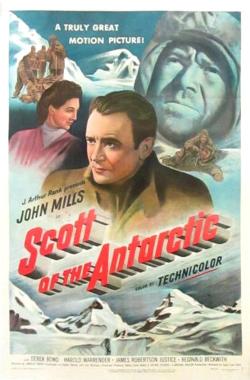
Associate producer: Sidney Cole. Producer: Michael Balcon. An Ealing Studios Production, made at Ealing Studios, London, and on locations in Norway and Switzerland. Presented by J. Arthur Rank. Dedicated to the memory of Captain Scott and all the members of his expedition.
Copyright 20 April 1949 (in notice: 1948) by Ealing Studios, Ltd. New York opening at the Little Carnegie: 24 February 1951 (sic). U.S. release (through Eagle Lion): 20 April 1949. U.K. release (through General Film Distributors): 7 March 1949. Australian release (through British Empire Films): 6 October 1949. 111 minutes.
SYNOPSIS: Although ostensibly leading a scientific expedition to Antarctica in 1911, Captain Scott actually wants the glory of being the first man to reach the South Pole. But he is beaten by the Norwegian explorer, Amundsen.
NOTES: Number 4 at U.K. ticket windows for 1949. The film did well in other territories too, although it failed to duplicate this sort of success.
VIEWERS' GUIDE: Okay for all. (Available on an excellent Optimum DVD).
COMMENT: Burdened with a slack script, indifferent acting and some surprising budgetary shortcuts, "Scott of the Antarctic" fails to hold up well today.
Dealing with the script first, because it is the weakest element in the film, it's obvious that the producers were constrained from introducing any real conflict into their material, except for man versus the elements and, to lesser degree, honorable British gentlemen versus tricky Norwegians. This has the effect of reducing the characters to little more than names, an error then confounded five times over by Mary Hayley Bell whose amateurish, cliché-ridden additional dialogue is rarely less than embarrassing.
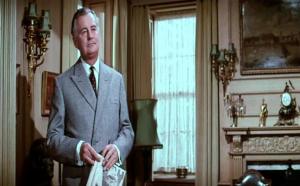
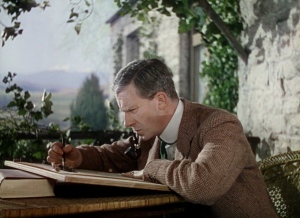
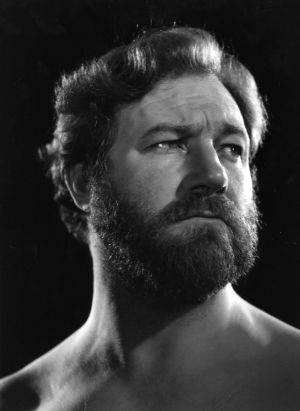
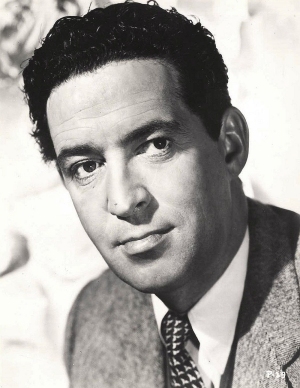
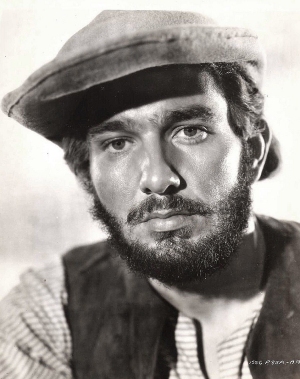
Faced with a lifeless script, the actors can do little to put drama into their portraits. Mills seems miscast, and most of the others are mere stereotypes. True, our first sight of James Robertson Justice without his usual beard is somewhat startling, but he soon settles back into the conventional.
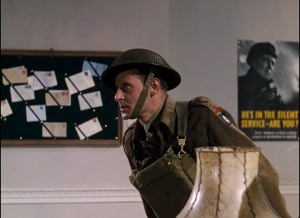
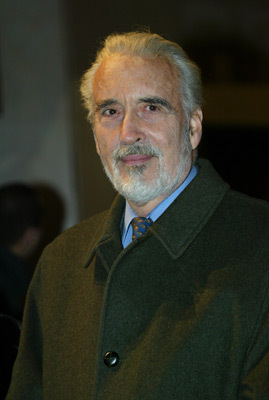
The only other surprises are Gregson's minuscule role — despite his prominence in the cast list, he has only one line of dialogue — and Christopher Lee's comparatively large but completely nonspeaking part. Lee is constantly hovering around in the foreground, but doesn't have so much as a single word!
Frend has directed in a routine, if somewhat choppy style, leaving all the work to his brilliant cinematographers who have captured some marvelous location footage — albeit undermined by obvious special effects and miniature work, plus one of the worst painted studio backdrops I have ever seen in a major studio production.
The script's vices were not lost on composer Vaughan Williams who often tries to drown out the worst of the dialogue clichés by an over- riding and portentous score. Personally, I would have preferred something a little less overly "dramatic", a little more poetic and melodic.
In short, a tragic, heroic, highly charged and potentially instructive story reduced to the lackluster level of a kindergarten primer on British pluck and Mr. Nice Guys.


 Enjoy unlimited movies and shows
 Download your favorite content to watch offline
 Simple interface & smooth performance















'%3e%3cpath%20id='Vector'%20d='M17.3996%2025.7999C17.3996%2025.9838%2017.3634%2026.1658%2017.293%2026.3357C17.2227%2026.5055%2017.1196%2026.6598%2016.9896%2026.7899C16.8596%2026.9199%2016.7052%2027.023%2016.5354%2027.0933C16.3655%2027.1637%2016.1835%2027.1999%2015.9996%2027.1999C15.8158%2027.1999%2015.6337%2027.1637%2015.4639%2027.0933C15.294%2027.023%2015.1397%2026.9199%2015.0097%2026.7899C14.8797%2026.6598%2014.7765%2026.5055%2014.7062%2026.3357C14.6358%2026.1658%2014.5996%2025.9838%2014.5996%2025.7999C14.5996%2025.4286%2014.7471%2025.0725%2015.0097%2024.81C15.2722%2024.5474%2015.6283%2024.3999%2015.9996%2024.3999C16.3709%2024.3999%2016.727%2024.5474%2016.9896%2024.81C17.2521%2025.0725%2017.3996%2025.4286%2017.3996%2025.7999Z'%20fill='white'/%3e%3cpath%20id='Union'%20fill-rule='evenodd'%20clip-rule='evenodd'%20d='M8.5%204H23.5C24.0523%204%2024.5%204.44772%2024.5%205V21.5H7.5V5C7.5%204.44772%207.94772%204%208.5%204ZM5.5%2022.5V5C5.5%203.34315%206.84315%202%208.5%202H23.5C25.1569%202%2026.5%203.34315%2026.5%205V22.5V27C26.5%2028.6569%2025.1569%2030%2023.5%2030H8.5C6.84315%2030%205.5%2028.6569%205.5%2027V22.5ZM24.5%2023.5V27C24.5%2027.5523%2024.0523%2028%2023.5%2028H8.5C7.94772%2028%207.5%2027.5523%207.5%2027V23.5H24.5Z'%20fill='white'/%3e%3cpath%20id='Union_2'%20fill-rule='evenodd'%20clip-rule='evenodd'%20d='M17%209C17%208.44772%2016.5523%208%2016%208C15.4477%208%2015%208.44772%2015%209V13.8258L13.1508%2012.2407C12.7315%2011.8813%2012.1002%2011.9299%2011.7408%2012.3492C11.3813%2012.7685%2011.4299%2013.3998%2011.8492%2013.7593L15.345%2016.7556C15.5205%2016.9079%2015.7495%2017%2016%2017C16.2506%2017%2016.4796%2016.9079%2016.6551%2016.7556L20.1508%2013.7593C20.5701%2013.3998%2020.6187%2012.7685%2020.2593%2012.3492C19.8999%2011.9299%2019.2686%2011.8813%2018.8492%2012.2407L17%2013.8258V9Z'%20fill='white'/%3e%3c/g%3e%3c/svg%3e)