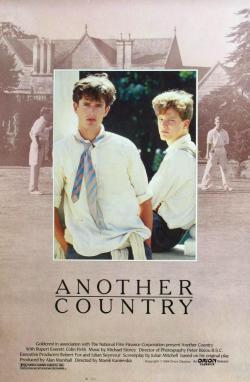
When 'Another Country' first appeared in the '80s I watched it over and over, loving the settings and the acting. Now, 20 years on, I have just acquired the DVD and have had to alter my original enthusiasm to a milder level of enjoyment... and an added irritation and impatience with the subject matter.
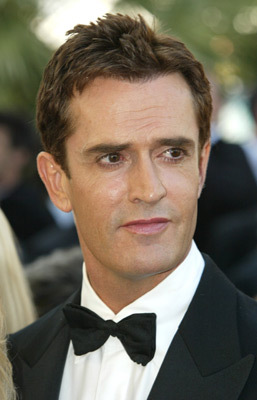
What set my teeth against this film most recently was listening to the adolescent and empty-headed commentary by Rupert Everett as interviewed in one of the special features on the DVD release. Looking at his feet as he speaks he drawls out something to the effect that life in England in the 30s was horrible. Really? I thought. I suppose life anywhere at anytime is always horrible for someone but most people seem to rub along quite nicely, thank you very much. That train of thought got me onto the nature of "rebels" and "causes" and so on.
Yes, for homosexuals, England was a harsh place to be with its brutal laws against such private behavior, something that is always a danger when huge governmental systems get "law-crazy". But most homosexual men managed to have a good time and hold down decent careers (a conclusion reached as a result of reading a great deal of historical biography from English men and women of the 20th century, both gay and straight). Of course, those people who managed to work within the system at the time would nowadays be dismissed as "cop-outs" by those in the gay community who willfully get in peoples' faces about their personal sexual preference. But not all gay people feel the need to air their personal behavior in public.
But to return to the film; I concluded that Guy Bennett (Everett) was simply a spoiled, over-indulged prat (that's English for brat) who would not curb his foot-in-mouth problem with discretion and wisely keep his personal sexual preferences to himself, as did most other people in that situation at the time.
The English "public" school system was indeed a tough experience, as I gather, and prone to a militaristic and dutiful code of behavior that we today would find totally unacceptable, for better or worse... that is arguable. But people at that time, at least in the ruling classes, felt it their duty to put country ahead of themselves and knuckled under to the system. We don't understand that now, being a more self-indulgent and immature society.
'Another Country' is the story of rebels without a cause, or at least, rebels with a questionable cause based on questionable motivations. That is where I have lost patience with this once highly revered film.
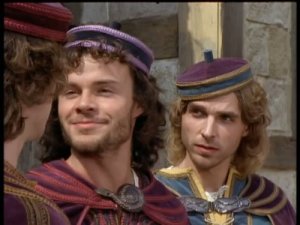
It is still beautiful to watch, however. The cinematography is superb, as is the music and the acting. As a period piece showing the inner workings of a place like Eton College it is fascinating. The script, such as it is, is excellent. The most involving aspect of the story is the relationship between Guy and James Harcourt (Cary Elwes) who become lovers, though this part of the whole story is touched on lightly and never becomes salacious or "over-egged" as gay themed films are now.
I still like this film well enough but it has not come down the twenty years since its creation with much grace or dignity.
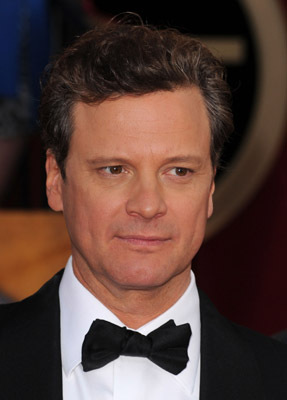
Colin Firth's character (Tommy Judd) was always tiresome with his endless communist tirades and pontificating, but over time, ironically, his performance holds up the best. Other facets of his character, once past his worship of Stalin and Lenin, such as his un- swerving adherence to an idealistic vision, have come into focus more clearly and keeps the film from becoming just a mushy love story tagging around behind the flimsy excuse for Guy Bennett's treason against the country that gave him everything he had.
Still worth a look-see but not the "masterpiece" I once thought it was.


 Enjoy unlimited movies and shows
 Download your favorite content to watch offline
 Simple interface & smooth performance

























'%3e%3cpath%20id='Vector'%20d='M17.3996%2025.7999C17.3996%2025.9838%2017.3634%2026.1658%2017.293%2026.3357C17.2227%2026.5055%2017.1196%2026.6598%2016.9896%2026.7899C16.8596%2026.9199%2016.7052%2027.023%2016.5354%2027.0933C16.3655%2027.1637%2016.1835%2027.1999%2015.9996%2027.1999C15.8158%2027.1999%2015.6337%2027.1637%2015.4639%2027.0933C15.294%2027.023%2015.1397%2026.9199%2015.0097%2026.7899C14.8797%2026.6598%2014.7765%2026.5055%2014.7062%2026.3357C14.6358%2026.1658%2014.5996%2025.9838%2014.5996%2025.7999C14.5996%2025.4286%2014.7471%2025.0725%2015.0097%2024.81C15.2722%2024.5474%2015.6283%2024.3999%2015.9996%2024.3999C16.3709%2024.3999%2016.727%2024.5474%2016.9896%2024.81C17.2521%2025.0725%2017.3996%2025.4286%2017.3996%2025.7999Z'%20fill='white'/%3e%3cpath%20id='Union'%20fill-rule='evenodd'%20clip-rule='evenodd'%20d='M8.5%204H23.5C24.0523%204%2024.5%204.44772%2024.5%205V21.5H7.5V5C7.5%204.44772%207.94772%204%208.5%204ZM5.5%2022.5V5C5.5%203.34315%206.84315%202%208.5%202H23.5C25.1569%202%2026.5%203.34315%2026.5%205V22.5V27C26.5%2028.6569%2025.1569%2030%2023.5%2030H8.5C6.84315%2030%205.5%2028.6569%205.5%2027V22.5ZM24.5%2023.5V27C24.5%2027.5523%2024.0523%2028%2023.5%2028H8.5C7.94772%2028%207.5%2027.5523%207.5%2027V23.5H24.5Z'%20fill='white'/%3e%3cpath%20id='Union_2'%20fill-rule='evenodd'%20clip-rule='evenodd'%20d='M17%209C17%208.44772%2016.5523%208%2016%208C15.4477%208%2015%208.44772%2015%209V13.8258L13.1508%2012.2407C12.7315%2011.8813%2012.1002%2011.9299%2011.7408%2012.3492C11.3813%2012.7685%2011.4299%2013.3998%2011.8492%2013.7593L15.345%2016.7556C15.5205%2016.9079%2015.7495%2017%2016%2017C16.2506%2017%2016.4796%2016.9079%2016.6551%2016.7556L20.1508%2013.7593C20.5701%2013.3998%2020.6187%2012.7685%2020.2593%2012.3492C19.8999%2011.9299%2019.2686%2011.8813%2018.8492%2012.2407L17%2013.8258V9Z'%20fill='white'/%3e%3c/g%3e%3c/svg%3e)