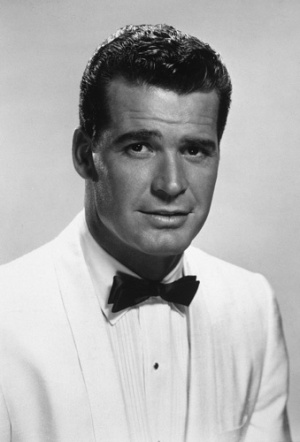
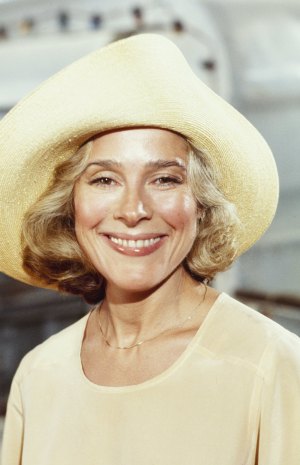
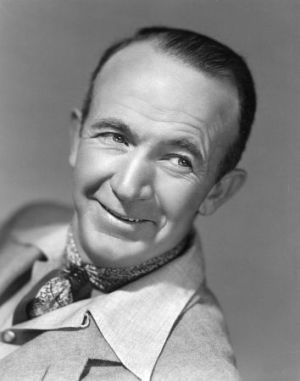
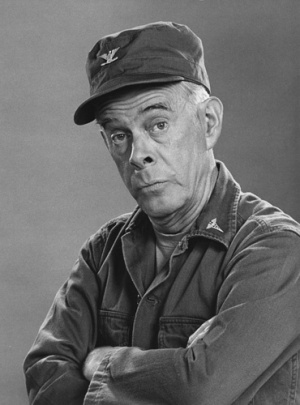
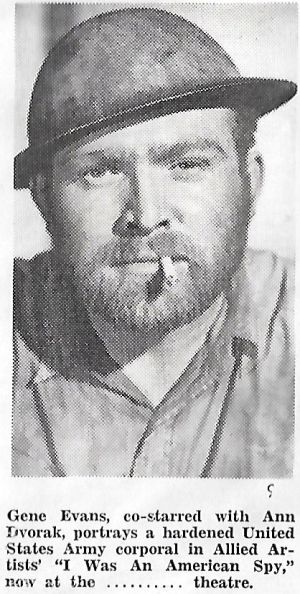
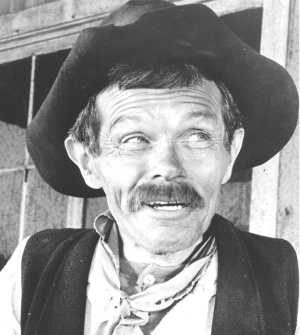
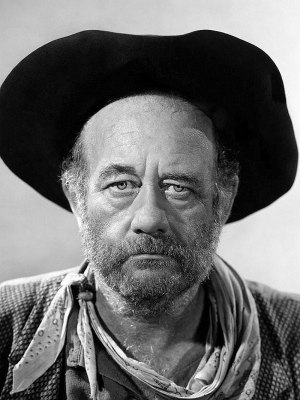
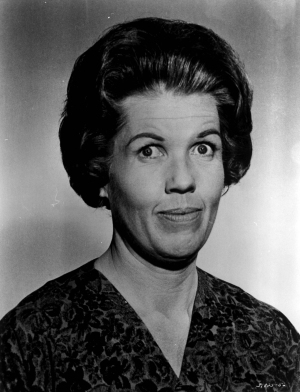
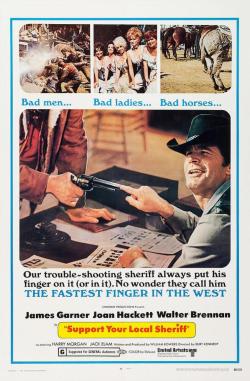
This comedy western skirts the edge of parody and never falls over the edge,I suggest, thanks to the solid construction of the story-line by William Bowers. What I like about it as a writer is that it draws its humor from one-liners, in-character speeches, actions, reactions, plans, stories, character confrontations, satirical moments and ideas. The only near-parody element in the film that matters is the fantastic-level ability of the sheriff played by James Garner to shoot a six-gun. In the story-line, he is a man trying to earn his way to Australia, a place which fascinates him. He comes to a town where gold has been discovered, and finding the inflation of food prices going up faster than he can eat, he takes a job a sheriff with meals provided despite what the town's councilors tell him about the fate of the last gentlemen to wear the badge. He is helped in a shooting situation by Jack Elam, whom he takes on as a deputy since he knows he can trust him when the chips are down. He promptly loads him with all the dirty work and sets about taking care of his one prisoner, a member of the murderous Danby family, the youngest and dumbest. He pour a red line in paint across the floor of the ufinished jail cell, leads Joe in and mentions that the red stain came from the last occupant; instant jail is achieved. The remainder of the film consists of two strands of development. Old man Danby and his other sons, the patriarch played by Walter Brennan, tries to get his youngest out of jail and then to rid the town of the sheriff by hiring gunfighters to ventilate him, And the sheriff in his odd fashion thwarts them and courts the Mayor's daughter; played by Joan Hackett, she is feisty, lovely and lethal with weaponry. When the Danby's round up all their cowboys and make one final try for Joe, the youngest, played by Bruce Dern, the sheriff ties him to a cannon and threatens to fire it, thereby ending the shooting war the Danby's had begun. Inisisting it had never been loaded later, to his team, he sets it off and it destroys the local house of ill repute, where the council had taken refuge. Surrendering to his fate, the sheriff then marries Miss Prudie Hackett, becomes governor and gives up on Australia, while, as he reports, Elam becomes "one of the most beloved characters in all of western folklore'. The film is shot as if the world were always full of sunlight; it is color-filled, only a touch cynical around the edges of the dialogue and generally makes light of a solid western dramatic duel between a lawman and a gang of outlaws. Many viewers believe it to be one of the most hilarious of westerns, myself among them. Veteran Burt Kennedy directed; music was supplied by Jeff Alexander. The vivid full- color cinematography was supplied by Harry Stradling, Jr.; art direction was done by Leroy A. Coleman and the very fine set decorations were the work of Hugh Hunt. Perfomers in this laugh-riot besides the excellent leads included Harry Morgan as the Mayor, Henry Jones, Willis Bouchey, and Walter Burke as the town council, with Kathleen Freeman, Gene Evans, Dick Peabody, Dick Haynes, Chubby Johnson, John Milford and Tom Reese. Garner, in my judgment, offers one of his best performances in this film, and Jack Elam did award-level comedy in this comedic offering. In a spin-off called "Support Your Local Gunfighter", director Kennedy tried to repeat the basic elements so well used here but was much less successful.


 Nikmati film dan acara tanpa batas
 Download konten favorit untuk ditonton offline
 Tampilan mudah, lancar dipakai
















'%3e%3cpath%20id='Vector'%20d='M17.3996%2025.7999C17.3996%2025.9838%2017.3634%2026.1658%2017.293%2026.3357C17.2227%2026.5055%2017.1196%2026.6598%2016.9896%2026.7899C16.8596%2026.9199%2016.7052%2027.023%2016.5354%2027.0933C16.3655%2027.1637%2016.1835%2027.1999%2015.9996%2027.1999C15.8158%2027.1999%2015.6337%2027.1637%2015.4639%2027.0933C15.294%2027.023%2015.1397%2026.9199%2015.0097%2026.7899C14.8797%2026.6598%2014.7765%2026.5055%2014.7062%2026.3357C14.6358%2026.1658%2014.5996%2025.9838%2014.5996%2025.7999C14.5996%2025.4286%2014.7471%2025.0725%2015.0097%2024.81C15.2722%2024.5474%2015.6283%2024.3999%2015.9996%2024.3999C16.3709%2024.3999%2016.727%2024.5474%2016.9896%2024.81C17.2521%2025.0725%2017.3996%2025.4286%2017.3996%2025.7999Z'%20fill='white'/%3e%3cpath%20id='Union'%20fill-rule='evenodd'%20clip-rule='evenodd'%20d='M8.5%204H23.5C24.0523%204%2024.5%204.44772%2024.5%205V21.5H7.5V5C7.5%204.44772%207.94772%204%208.5%204ZM5.5%2022.5V5C5.5%203.34315%206.84315%202%208.5%202H23.5C25.1569%202%2026.5%203.34315%2026.5%205V22.5V27C26.5%2028.6569%2025.1569%2030%2023.5%2030H8.5C6.84315%2030%205.5%2028.6569%205.5%2027V22.5ZM24.5%2023.5V27C24.5%2027.5523%2024.0523%2028%2023.5%2028H8.5C7.94772%2028%207.5%2027.5523%207.5%2027V23.5H24.5Z'%20fill='white'/%3e%3cpath%20id='Union_2'%20fill-rule='evenodd'%20clip-rule='evenodd'%20d='M17%209C17%208.44772%2016.5523%208%2016%208C15.4477%208%2015%208.44772%2015%209V13.8258L13.1508%2012.2407C12.7315%2011.8813%2012.1002%2011.9299%2011.7408%2012.3492C11.3813%2012.7685%2011.4299%2013.3998%2011.8492%2013.7593L15.345%2016.7556C15.5205%2016.9079%2015.7495%2017%2016%2017C16.2506%2017%2016.4796%2016.9079%2016.6551%2016.7556L20.1508%2013.7593C20.5701%2013.3998%2020.6187%2012.7685%2020.2593%2012.3492C19.8999%2011.9299%2019.2686%2011.8813%2018.8492%2012.2407L17%2013.8258V9Z'%20fill='white'/%3e%3c/g%3e%3c/svg%3e)