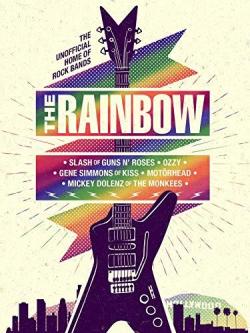
I just watched this documentary twice in a row and have to admit to being just a little confused until I did a further internet search. The title is "The Rainbow", but the first half if not more of the film is about the formation and history of the Whisky a Go-Go nightclub in Los Angeles, located at 8901 Sunset Boulevard, or as the locals would have it, the Sunset Strip. Opening on January 16th, 1964, it became the premier location for all manner of celebrities to hang out back in the day, with virtually every name band performing there at one time or another. Quoting Gene Simmons of the band Kiss - "When you first start out, and before you figure out your game, the Whisky's the place to do it."
At the outset however, the owner wasn't much of a businessman, so he called in a friend named Mario Maglieri to run things who cleaned house with the staff and put in people he could trust. In on-screen interviews Maglieri comes across as a gruff, insensitive, but colorful character who brought up his son in the business, and with the passage of time, his grandson as well. In 1972, Maglieri opened The Rainbow Room at 9015 Sunset Boulevard, however as the narrative progresses, it's never made clear that both establishments operated independently. It's almost as if the Whisky became The Rainbow over a period of time. That's because both operations resembled each other so much and both became meccas for rock stars to be seen at. It's quite appropriate to say that both locations were where rock groups came to see other rock groups perform.
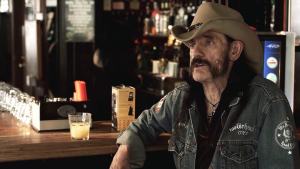
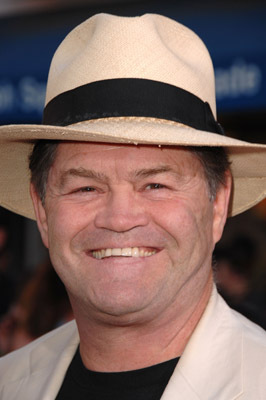
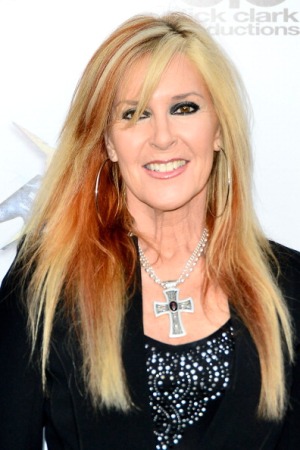
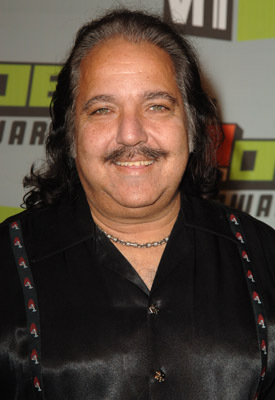
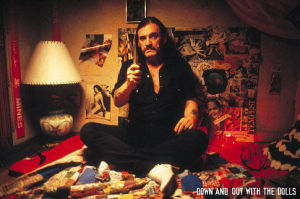
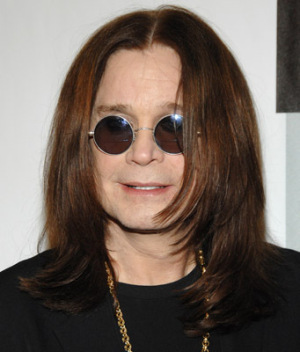
Some of the personalities interviewed for this rock-doc include Gene Simmons, Ozzy Osborne, Mickey Dolenz, Slash of Guns N' Roses, Lita Ford, and all three generations of the Maglieri Family. Lemmy Kilmister of the heavy metal band Motorhead also offers his comments, and was such a mainstay at The Rainbow that he was honored with his own statue at the club following his death in 2015. They all speak of reverence for The Rainbow and the Maglieri's, especially founder Mario, who would often feed down-and-out starving musicians who were just starting out and could barely afford a place to stay.
The documentary offers a treasure trove of trivia for music fans. For example, it's mentioned that The Doors were hired for fifty dollars a week before they broke out with 'Light My Fire', and opened for Johnny Rivers! Chicago performed there as the house band when they were still known as the Chicago Transit Authority (the name of their first album), their first gig opening for The Velvet Underground. Mickey Dolenz, who to me seemed like an unlikely member, described his association with a very limited club organized by himself, Alice Cooper and Keith Moon of The Who, calling themselves the Hollywood Vampires. That vaunted circle included Harry Nilsson, John Lennon and Ringo Starr. Their 'meeting room' was on the top floor above The Rainbow and except for their guests, no one else was admitted.
Both The Whisky and The Rainbow are still going concerns, though as the documentary mentions, their heyday is long past, even if they still offer a venue for up and coming bands in LA. Third generation Mikael Maglieri has proven himself a capable businessman and booker of talent, with the aim of bringing The Rainbow back to it's former glory. Music fans will find a lot to savor with this picture, even if no actual music is heard and no bands are shown performing except in a limited collage of stills. It capably explains in it's limited format the transition of the American music scene from the rock n' roll era of the Sixties and Seventies through the hair and heavy metal presence of the Eighties and the Grunge era of the Nineties. Die hard music fans shouldn't miss this, and if you read this first, might not be as confused as I was upon first viewing.


 استمتع بأفلام وبرامج بلا حدود
 حمل ما تحب وشاهد بدون إنترنت
 واجهة بسيطة وأداء سلس




'%3e%3cpath%20id='Vector'%20d='M17.3996%2025.7999C17.3996%2025.9838%2017.3634%2026.1658%2017.293%2026.3357C17.2227%2026.5055%2017.1196%2026.6598%2016.9896%2026.7899C16.8596%2026.9199%2016.7052%2027.023%2016.5354%2027.0933C16.3655%2027.1637%2016.1835%2027.1999%2015.9996%2027.1999C15.8158%2027.1999%2015.6337%2027.1637%2015.4639%2027.0933C15.294%2027.023%2015.1397%2026.9199%2015.0097%2026.7899C14.8797%2026.6598%2014.7765%2026.5055%2014.7062%2026.3357C14.6358%2026.1658%2014.5996%2025.9838%2014.5996%2025.7999C14.5996%2025.4286%2014.7471%2025.0725%2015.0097%2024.81C15.2722%2024.5474%2015.6283%2024.3999%2015.9996%2024.3999C16.3709%2024.3999%2016.727%2024.5474%2016.9896%2024.81C17.2521%2025.0725%2017.3996%2025.4286%2017.3996%2025.7999Z'%20fill='white'/%3e%3cpath%20id='Union'%20fill-rule='evenodd'%20clip-rule='evenodd'%20d='M8.5%204H23.5C24.0523%204%2024.5%204.44772%2024.5%205V21.5H7.5V5C7.5%204.44772%207.94772%204%208.5%204ZM5.5%2022.5V5C5.5%203.34315%206.84315%202%208.5%202H23.5C25.1569%202%2026.5%203.34315%2026.5%205V22.5V27C26.5%2028.6569%2025.1569%2030%2023.5%2030H8.5C6.84315%2030%205.5%2028.6569%205.5%2027V22.5ZM24.5%2023.5V27C24.5%2027.5523%2024.0523%2028%2023.5%2028H8.5C7.94772%2028%207.5%2027.5523%207.5%2027V23.5H24.5Z'%20fill='white'/%3e%3cpath%20id='Union_2'%20fill-rule='evenodd'%20clip-rule='evenodd'%20d='M17%209C17%208.44772%2016.5523%208%2016%208C15.4477%208%2015%208.44772%2015%209V13.8258L13.1508%2012.2407C12.7315%2011.8813%2012.1002%2011.9299%2011.7408%2012.3492C11.3813%2012.7685%2011.4299%2013.3998%2011.8492%2013.7593L15.345%2016.7556C15.5205%2016.9079%2015.7495%2017%2016%2017C16.2506%2017%2016.4796%2016.9079%2016.6551%2016.7556L20.1508%2013.7593C20.5701%2013.3998%2020.6187%2012.7685%2020.2593%2012.3492C19.8999%2011.9299%2019.2686%2011.8813%2018.8492%2012.2407L17%2013.8258V9Z'%20fill='white'/%3e%3c/g%3e%3c/svg%3e)