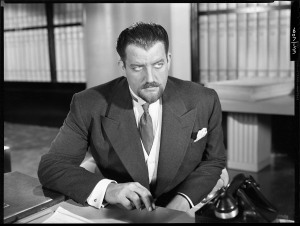
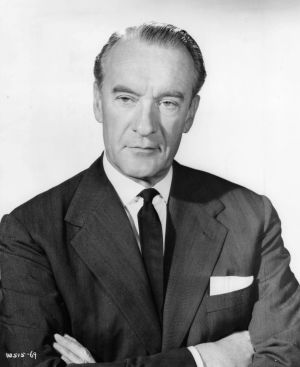
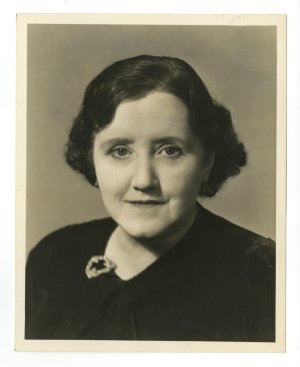
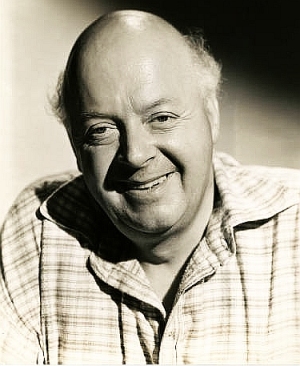
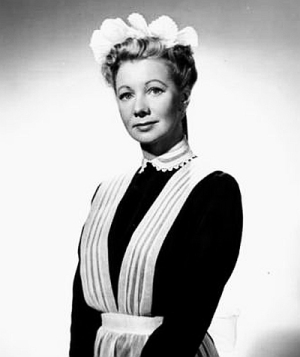
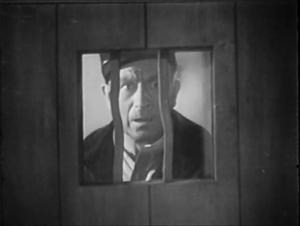
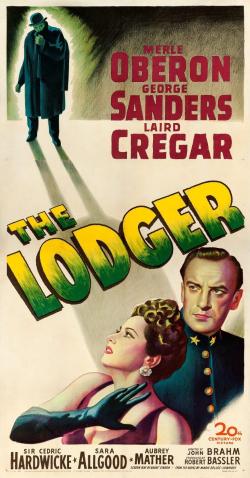
It began, possibly in April 1888 when a woman named Emma Smith died after being stabbed multiple times - possibly by a gang. Smith may have been a prostitute. But it really got underway in August of that year, when a prostitute named Mary Ann Nichols was killed in the East End of London. She was followed by Annie Chapman, Catherine Eddowes, Elizabeth Stride, and finally (and most horribly) Mary Jane Kelly,who was butchered (literally) by the killer in her room in November. After that, although several later killings were sometimes ascribed to the killer, the murders ceased. Nothing in this case has been universally accepted, and every "clue" has been analyzed or reanalyzed again and again. There are a myriad of suggested suspects, including the Duke of Clarence (Queen Victoria's heir and grandson), Dr. Sir William Gull, Montague John Druitt, Michael Ostrog, Aaron Kosminski, four murderers: Dr. Thomas Neill Cream, George Chapman, Frederick Deeming, William Bury, Dr. Tumblety,murder victim James Maybrick, Roylston D'Onston Stevenson, painter Walter Sickert, and (believe it or not) Lewis Carroll (most Ripperologists reject the Carroll theory). One unnamed suspect is known as the "Lodger". The story first occurred as a rumour passed around in the early years of the century (one of those who passed it around is Walter Sickert). The story is that a young man (who was secretive, but sickly) was living in a London boarding house. He only left at night, but would return before daylight. His sole interest was in the newspaper reports of the murders (which occurred only at night). After the murder of Mary Kelly the young man has a collapse in his precarious health, and dies a few months later. From this rumour Marie Belloc Lowndes (sister of Hilliare Belloc and writer of novels based on true crimes) wrote her short story "The Lodger." Later she turned it into a longer novella. This is the story that is the basis for the 1944 film (as well as other versions, such as Hitchcock's 1927 version). This film and it's follow-up are the capoffs for Laird fine, brief career of movie stardom. He had played villains and psychotics in other films (THIS GUN FOR HIRE, I WAKE UP SCREAMING) and demonstrated a versatility seldom shown by some of the popular leading men he supported at the time. He also had done other costume films (he is Sir Henry Morgan, the buccaneer turned royal governor in THE BLACK SWAN, and was the art dealer in Monty Wooley/Gracie Field's HOLY MATRIMONY). His work in comedy and melodrama, modern and costume pieces came together in THE LODGER and HANGOVER SQUARE. In both we know he is the killer, and yet in both we find an odd sympathy for his characters. Perhaps more for George Bone in the latter film (who really is not sure what is going on, but knows it is dreadful), but here there is a sense of loss - the Lodger's brother was destroyed by a prostitute (here called an "actress"), which has led to his crusade of destruction. The supporting cast is fine too, with George Sanders playing the suspicious Scotland Yard inspector who unmasks Cregar (using fingerprinting - which was not used in Great Britain until 1905). Despite the anachronism it is a handsome piece of well made melodrama. One watches it and HANGOVER SQUARE and shakes one's head at the loss the movies had when Cregar died later in 1944.


 استمتع بأفلام وبرامج بلا حدود
 حمل ما تحب وشاهد بدون إنترنت
 واجهة بسيطة وأداء سلس

















'%3e%3cpath%20id='Vector'%20d='M17.3996%2025.7999C17.3996%2025.9838%2017.3634%2026.1658%2017.293%2026.3357C17.2227%2026.5055%2017.1196%2026.6598%2016.9896%2026.7899C16.8596%2026.9199%2016.7052%2027.023%2016.5354%2027.0933C16.3655%2027.1637%2016.1835%2027.1999%2015.9996%2027.1999C15.8158%2027.1999%2015.6337%2027.1637%2015.4639%2027.0933C15.294%2027.023%2015.1397%2026.9199%2015.0097%2026.7899C14.8797%2026.6598%2014.7765%2026.5055%2014.7062%2026.3357C14.6358%2026.1658%2014.5996%2025.9838%2014.5996%2025.7999C14.5996%2025.4286%2014.7471%2025.0725%2015.0097%2024.81C15.2722%2024.5474%2015.6283%2024.3999%2015.9996%2024.3999C16.3709%2024.3999%2016.727%2024.5474%2016.9896%2024.81C17.2521%2025.0725%2017.3996%2025.4286%2017.3996%2025.7999Z'%20fill='white'/%3e%3cpath%20id='Union'%20fill-rule='evenodd'%20clip-rule='evenodd'%20d='M8.5%204H23.5C24.0523%204%2024.5%204.44772%2024.5%205V21.5H7.5V5C7.5%204.44772%207.94772%204%208.5%204ZM5.5%2022.5V5C5.5%203.34315%206.84315%202%208.5%202H23.5C25.1569%202%2026.5%203.34315%2026.5%205V22.5V27C26.5%2028.6569%2025.1569%2030%2023.5%2030H8.5C6.84315%2030%205.5%2028.6569%205.5%2027V22.5ZM24.5%2023.5V27C24.5%2027.5523%2024.0523%2028%2023.5%2028H8.5C7.94772%2028%207.5%2027.5523%207.5%2027V23.5H24.5Z'%20fill='white'/%3e%3cpath%20id='Union_2'%20fill-rule='evenodd'%20clip-rule='evenodd'%20d='M17%209C17%208.44772%2016.5523%208%2016%208C15.4477%208%2015%208.44772%2015%209V13.8258L13.1508%2012.2407C12.7315%2011.8813%2012.1002%2011.9299%2011.7408%2012.3492C11.3813%2012.7685%2011.4299%2013.3998%2011.8492%2013.7593L15.345%2016.7556C15.5205%2016.9079%2015.7495%2017%2016%2017C16.2506%2017%2016.4796%2016.9079%2016.6551%2016.7556L20.1508%2013.7593C20.5701%2013.3998%2020.6187%2012.7685%2020.2593%2012.3492C19.8999%2011.9299%2019.2686%2011.8813%2018.8492%2012.2407L17%2013.8258V9Z'%20fill='white'/%3e%3c/g%3e%3c/svg%3e)